
The Ultimate Fall Pest Proofing Checklist for Older Homes
There is nothing quite like the charm and character of an older home. From century-old brickwork to original hardwood floors, these properties offer a unique sense of history and warmth. However, as the temperature drops across the Greater Toronto Area and the crisp autumn air sets in, that same historical charm can present some unique challenges. Older homes often have settling foundations, slight gaps around vintage windows, and naturally weathering exteriors that provide the perfect invitation for unwanted guests seeking shelter from the cold.
As a homeowner, the transition into autumn is the most critical time to evaluate your property's defenses. When insects and rodents sense the approaching winter, they immediately begin looking for warmth, food, and a safe place to nest. If you live near a ravine or heavily wooded park, the pressure from local wildlife and rodents looking to move indoors is even higher.
Taking a proactive approach not only protects the structural integrity of your property but also ensures a healthy, safe environment for your family and pets. To help you prepare, we have put together a comprehensive fall residential pest control checklist specifically tailored to the unique needs of older properties.
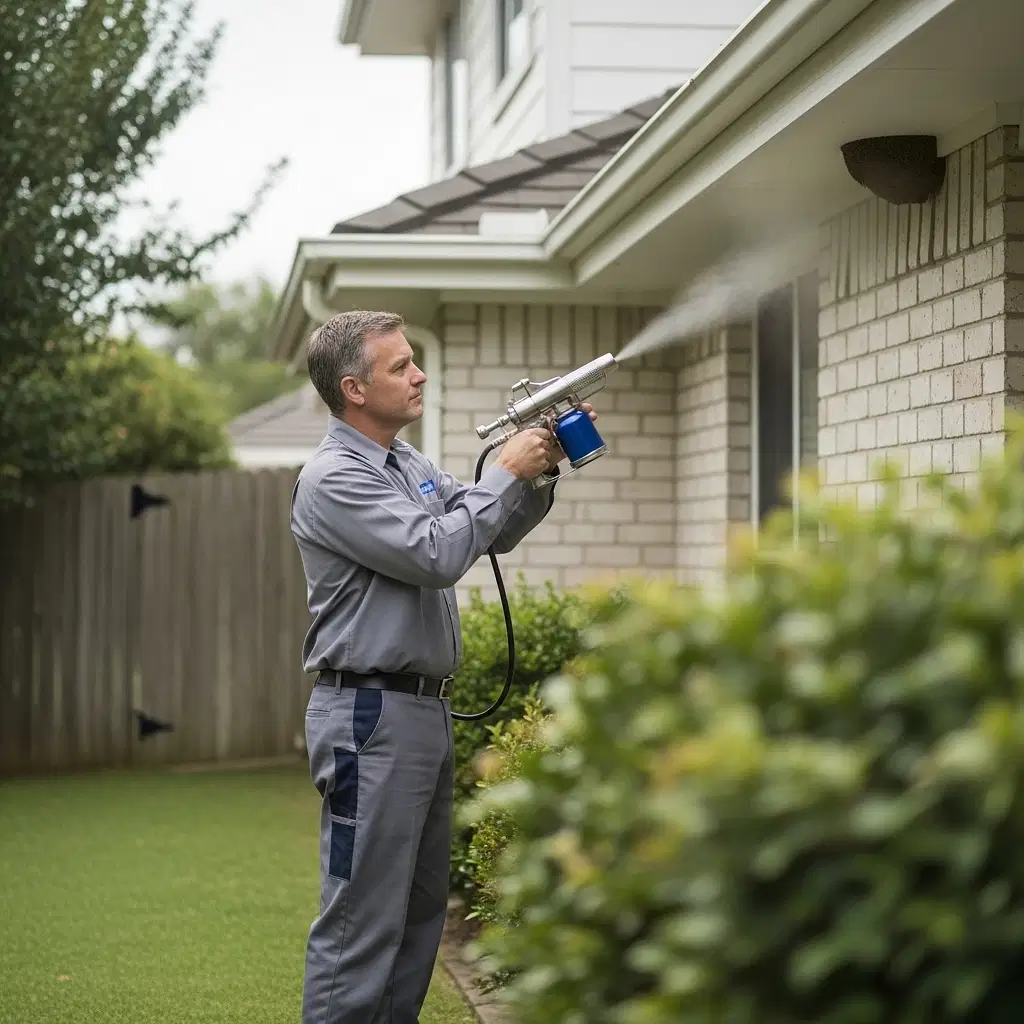
Identifying Autumn Pest Entry Points
One of the most common questions we hear from homeowners is how to seal an older home from pests effectively. The first step is a thorough exterior inspection. Over decades of changing seasons, foundations shift and building materials naturally expand and contract. This creates tiny gaps that might be invisible to the untrained eye but look like welcoming open doors to a field mouse or a colony of ants.
Start by walking the perimeter of your home and inspecting the foundation for any cracks. Pay special attention to areas where different building materials meet, such as where the brick or siding joins the concrete foundation. A mouse can squeeze through a gap the size of a dime, so even minor fissures need attention. Use weather-resistant silicone caulk to seal small cracks, and consider expanding foam reinforced with steel wool for larger gaps, as rodents cannot chew through the metal fibers.
Next, examine your windows and doors. The weatherstripping on older, wooden window frames degrades over time. If you can feel a draft, an insect can find its way in. Replace worn weatherstripping and install sturdy door sweeps on all exterior doors. Do not forget to look up; inspect your roofline, fascia boards, and vents. Ensure that all attic and exhaust vents are covered with intact, tightly woven mesh screens to keep out birds, squirrels, and raccoons.
Finally, if your property includes a basement apartment or an older cellar, pay extra attention to the ground-level windows. Ensure the window wells are clear of damp autumn leaves and debris, as this decaying organic matter is highly attractive to moisture-loving insects.

Common Fall Invaders: Rodents and Carpenter Ants
When figuring out how can I prevent mice and rats from entering my home during winters, the exterior sealing we just discussed is your primary defense. However, interior prevention is just as important. Store all pantry items in airtight glass or thick plastic containers. Rodents have an incredible sense of smell, and the scent of an open bag of flour or pet food can draw them inside. Furthermore, be mindful of how you manage your green bin. Keep it securely latched and stored as far from the house's exterior walls as possible to avoid attracting urban foragers.
Another frequent concern for owners of historical properties is how to identify and get rid of carpenter ants. Unlike termites, carpenter ants do not eat wood; they excavate it to build their nests, preferring wood that has been softened by moisture. In older houses, areas around aging window frames, leaky roof valleys, or damp basement beams are prime targets.
You might have a carpenter ant issue if you notice small piles of what looks like coarse sawdust (known as frass) near baseboards or window sills. You may also hear a faint rustling sound behind the walls at night. Because these insects target the structural framework of your house, addressing them early is vital. While reducing moisture and fixing leaks is a great preventative step, an active infestation requires professional diagnostics to locate the parent colony and ensure complete eradication without damaging the surrounding environment.
Professional Exterminator vs DIY Pest Control
It can be tempting to head to a local hardware store at the first sign of an issue, but comparing a professional exterminator vs DIY pest control reveals significant differences in long-term effectiveness and safety. Retail sprays and traps often only address the symptoms of an infestation—the pests you can actively see—while leaving the hidden nests and entry points completely untouched.
Moreover, many homeowners prioritize pet friendly pest control to protect their furry companions and children. Off-the-shelf chemicals can sometimes be hazardous if applied incorrectly. Licensed professionals undergo rigorous Ministry of the Environment training to understand exactly how to apply treatments safely. At Superior Pest Solutions, we utilize Integrated Pest Management (IPM) practices and prioritize 100% eco-friendly, botanical, and pet-safe solutions. This means we focus on smart monitoring technology, structural exclusion, and targeted applications that solve the root cause of the problem without blanketing your living space in unnecessary chemicals.
Investing in professional residential pest control services provides peace of mind. You get the benefit of expert eyes that understand the specific architectural quirks of historical properties and receive a customized strategy backed by service guarantees.
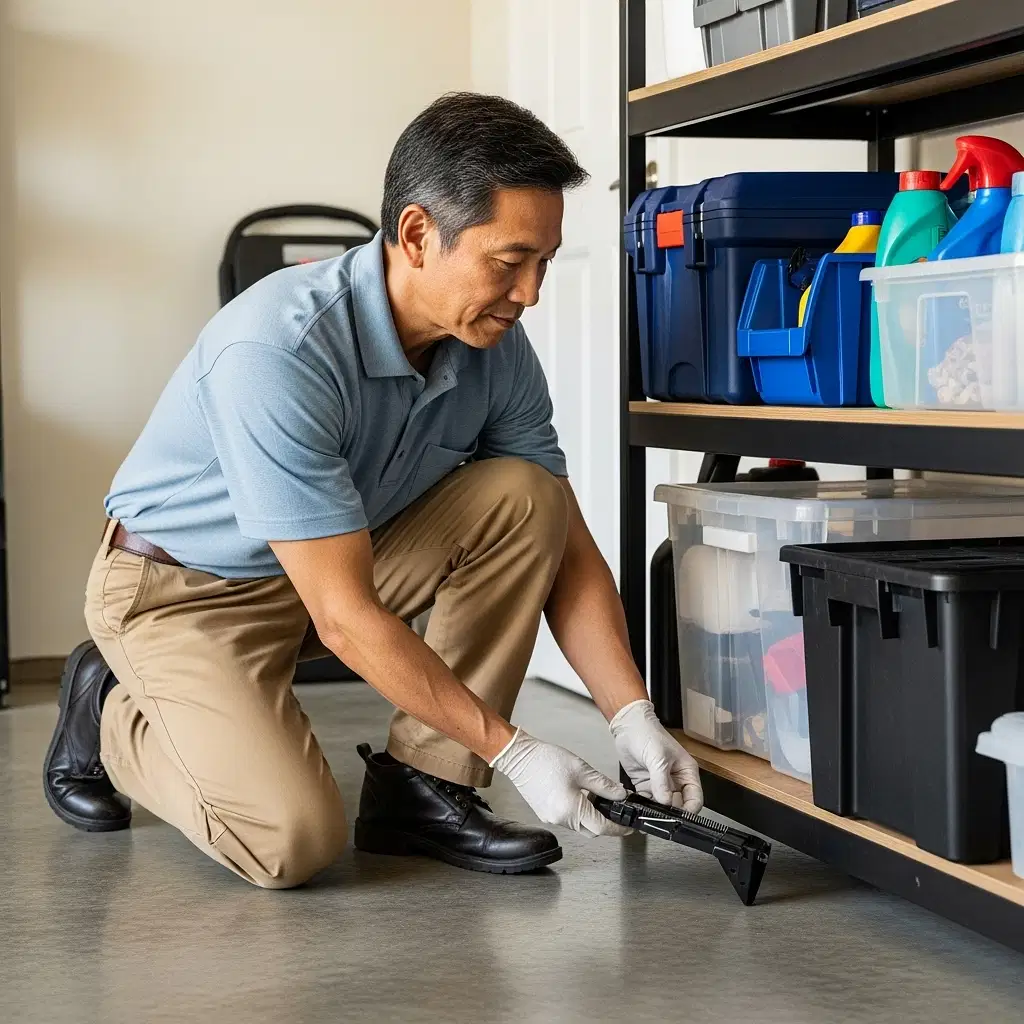
Protecting Multi-Unit and Business Properties
While this checklist heavily focuses on detached single-family properties, these seasonal transitions also heavily impact multi-unit buildings and businesses located in historical districts. Shared walls in semi-detached or row houses mean that a pest issue in one unit can quickly become a problem for the entire building.
Property managers and small business owners dealing with older commercial spaces face similar challenges with structural vulnerabilities. Proactive maintenance and specialized commercial pest control are essential to maintaining a safe, compliant environment for tenants and customers alike. Advanced digital reporting tools and preventative maintenance packages ensure that small autumn vulnerabilities do not turn into major winter liabilities.
Wrapping Up Your Fall Preparations
Taking the time to seal gaps, manage exterior attractants, and monitor for signs of early invaders will go a long way in keeping your home secure this season. Older properties require a bit of extra love and attention, but protecting their structural integrity and your family's comfort is well worth the effort.
If you have noticed signs of an infestation or simply want the peace of mind that comes with a professional inspection, the team at Superior Pest Solutions is here to help. From comprehensive Residential Pest Control Services and Commercial Pest Control to targeted Bed Bugs Heat Treatment and specialized Cleaning Services, we provide modern, eco-friendly solutions tailored to your unique property. Contact us today to safeguard your Toronto home before the winter freeze sets in, and enjoy a cozy, pest-free season.