
Can Freezing Cold Weather Kill Bed Bugs?
As the temperature drops and snow begins to blanket the GTA, a common myth tends to resurface among homeowners and renters dealing with a dreaded pest infestation. You might hear advice from a well-meaning neighbor or read an online forum suggesting that you can simply drag your infested mattress or sofa onto the balcony and let the bitter Canadian winter do the exterminating.
It sounds like a logical, chemical-free solution. After all, if the freezing cold can put a stop to mosquitoes and wasps, can cold weather kill bed bugs too?
When you are losing sleep, dealing with itchy bites, and worrying about these nocturnal hitchhikers spreading to other rooms, the idea of a free, natural fix is incredibly appealing. Unfortunately, relying on mother nature to solve an indoor pest problem is usually a recipe for continued frustration. Let us dive into the science behind temperature-based pest control, why the winter freeze is not the silver bullet you might hope for, and what actually works to permanently protect your home.
Do Bed Bugs Die in Freezing Temperatures?
The short answer is yes, but the practical answer is much more complicated. Bed bugs are remarkably resilient creatures that have evolved to survive in a variety of challenging environments. While extreme cold is lethal to them, the conditions required to achieve total eradication are incredibly strict.
For cold to be an effective bed bug killer, the infested items must be exposed to steady, uninterrupted temperatures of at least -18 degrees Celsius (0 degrees Fahrenheit) for a minimum of four consecutive days. If the temperature fluctuates, drops during the day, or if the item is particularly dense (like a thick memory foam mattress), the cold may not penetrate deeply enough to kill the eggs hidden in the center.
This is precisely why leaving furniture outside in winter for bed bugs is a highly unreliable strategy. Our winters are famous for their freeze-thaw cycles. A sunny afternoon can easily raise the temperature of a dark-colored couch sitting on your patio, providing just enough warmth for the bugs to survive. Furthermore, dragging infested furniture through your home to get it outside often shakes eggs and adult bugs loose, inadvertently spreading the infestation to hallways, living rooms, and other previously safe areas.
In the end, you are left with a piece of furniture that is potentially ruined by moisture and snow, while the root of the pest problem remains active inside your warm home.
The Hidden Danger of DIY Winter Pest Control
One of the biggest misconceptions about winter pests is that they naturally die off. While it is true that outdoor insect activity plummets, indoor pests like bed bugs thrive year-round. They don't care that it is snowing outside because you are paying the hydro bill to keep your interior perfectly comfortable.
When homeowners attempt DIY methods—whether that involves unreliable freezing, over-the-counter sprays, or ineffective natural remedies—they are usually just buying time for the infestation to multiply. A single female bed bug can lay hundreds of eggs in her lifetime. By the time you realize the outdoor freezing trick did not work, a minor localized issue in one bedroom can escalate into a severe infestation spanning multiple rooms or even neighboring condo units.
Furthermore, many over-the-counter chemical sprays pose a risk to pets and children, and they often only treat the surface. Modern consumers understandably prioritize eco-friendly, family-safe solutions. Health Canada's Pest Management Regulatory Agency (PMRA) has strict guidelines for a reason, and handling toxic chemicals without professional training can be hazardous.
Instead of gambling with DIY methods, investing in professional residential pest control services ensures that the problem is addressed safely, thoroughly, and in a way that provides long-term peace of mind.
The Guaranteed Solution: Why Heat is Better Than Cold
If cold weather is not the answer, how do you get rid of bed bugs permanently? The most effective, eco-friendly, and comprehensive method available today is professional heat treatment.
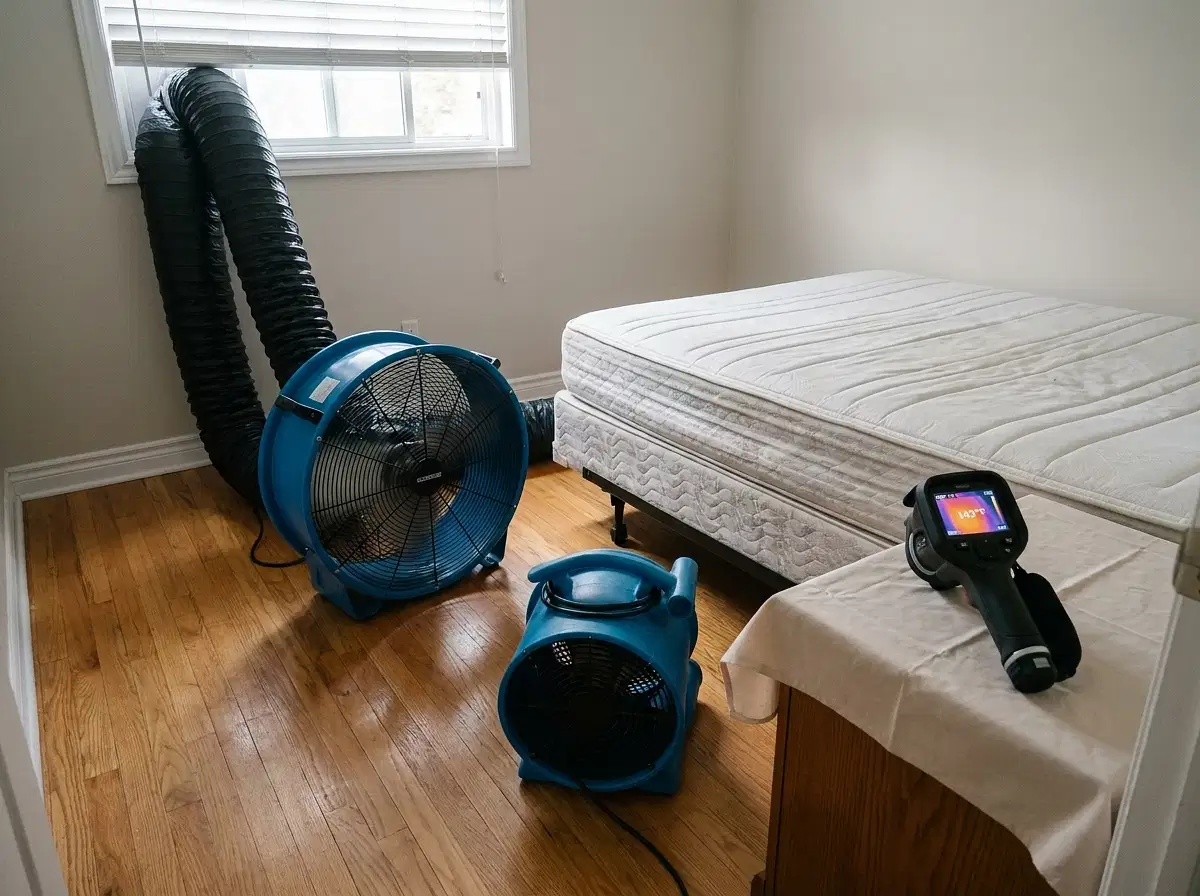
While cold requires days of sustained, extreme temperatures to work, heat is swift and absolute. Professional heat treatments raise the ambient temperature of a room to a level that is lethal to bed bugs in all stages of life—including the hard-to-kill eggs—within minutes. The massive advantage of heat is its ability to penetrate everywhere. It radiates into the deepest crevices of mattresses, seeps behind baseboards, and warms the spaces inside walls where adult bugs hide.
At Superior Pest Solutions, we understand that discovering an infestation can be incredibly stressful, especially in dense urban environments or multi-unit buildings where discretion is vital. That is why our bed bugs removal process is designed to be fast, highly effective, and entirely confidential. We use unmarked vehicles to ensure your privacy, and our heat treatments are completely non-toxic, making them completely safe for your pets and family once the service is complete.
Stop waiting for the weather to solve your pest problems. If you suspect an infestation in your home, rapid intervention is key to keeping costs down and reclaiming your peace of mind. Contact Superior Pest Solutions today or visit our contact us page to schedule a discreet consultation, and let our licensed technicians eliminate the issue permanently.